






From Natural Intelligence to Artificial Intelligence: Networks, Agents, and Evolutionary Transitions in Collective Living

Artificial intelligence research has traditionally been focused on individual agents, separate from any social context. However, recent advances in learning algorithms have forced scientists to reconsider this approach. The real challenge now lies in generating new data, rather than simply absorbing existing information. Looking to natural intelligence for inspiration, researchers have discovered the crucial role…


Read More

Predicting Orange Flavour

Orange flavor is a crucial component in the production of sweet orange juice, but the genetic basis of this flavor has long eluded scientists. Sweet orange, also known as Citrus sinensis, is known for its limited genetic diversity and high susceptibility to Huanglongbing (HLB), a devastating citrus greening disease. This has led to a pressing…

Read More

Chirality: A Signature of Life

In the quest to understand how single chirality emerged, researchers have long focused on the symmetry breaking and subsequent enantioenrichment of molecules that make up the genetic polymers RNA and DNA, as well as peptides. Achieving a single chirality in biological molecules is crucial for the functioning of living organisms. However, the process of how…

Read More

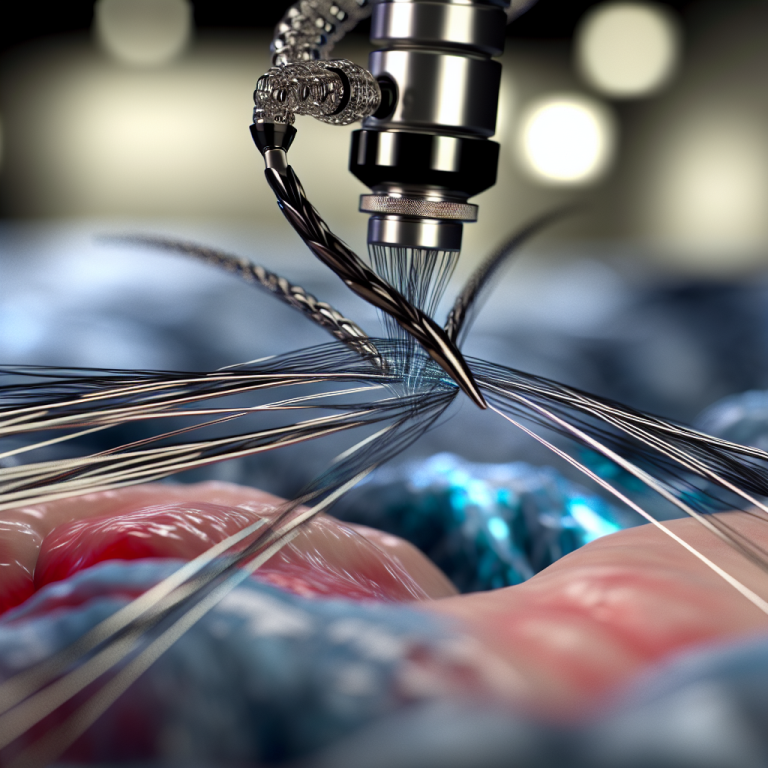
A Breakthrough in Robotic Fibers for High-precision Minimally Invasive Surgery

In the world of minimally invasive surgery, the demand for precise manipulation of flexible surgical tools is crucial. This necessity has led to the development of miniature flexible robotic probes that can direct surgical instruments with incredible accuracy. Enter Fiberbots, a cutting-edge innovation that is revolutionizing minimally invasive surgical procedures. The Fiberbot is a robotic…

Read More

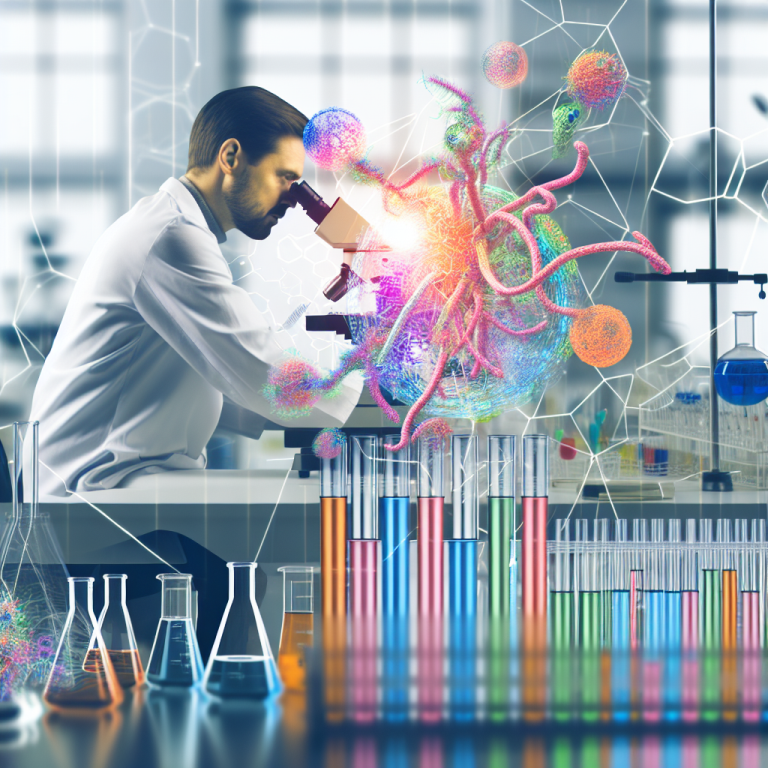
Unlocking the Potential of Synthetic Biology: Repurposing, Optimizing, and Creating New Life-like Systems from Scratch

The field of synthetic biology is known for its goal-oriented approach, which seeks to repurpose and optimize existing biological functions, as well as create new-to-nature capabilities from scratch. Despite the many advances that have been made in this field, there are emerging challenges related to the complexity of the systems built and the limitations of…

Read More

The Amazon Tipping Point: Impending Collapse of the World’s Largest Forest System in the 21st Century

The Amazon forest system is facing a critical juncture that could lead to a drastic collapse, causing widespread alarm worldwide. Throughout its 65 million year history, the Amazonian forests have shown remarkable resilience to climatic changes. However, the region is now under unprecedented stress due to factors such as rising temperatures, severe droughts, deforestation, and…

Read More

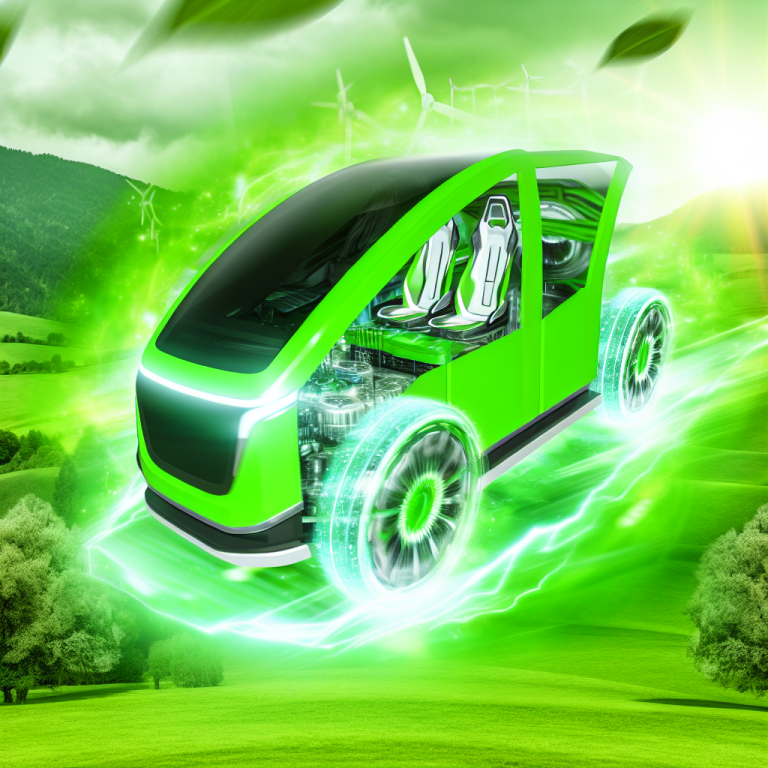
New inventions and creative adaptations are needed to to make transportation more environmentally friendly

In order to make transportation more environmentally friendly, new inventions and creative adaptations are essential in order to decarbonize the sector. According to the Intergovernmental Panel on Climate Change, around 15 percent of net anthropogenic greenhouse gas emissions come from the transportation sector. It is crucial to find ways to transport people and goods from…

Read More

Revolutionizing Fertilizer Management: Harnessing Machine Learning to Slash NH3 Emissions by 38%

Fertilizer management plays a crucial role in reducing global ammonia emissions from crop production, which threatens air quality, human health, and ecosystems. However, accurately estimating these emissions is challenging due to limited data, hindering the ability to identify effective mitigation strategies. To address this issue, researchers have developed a machine learning model that provides crop-specific…

Read More