



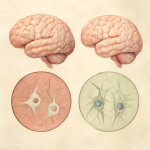




A study published in Nature on April 15, 2026, reveals that human evolution has significantly accelerated over the past 10,000 years, with hundreds of gene variants undergoing natural selection in ancient populations from western Eurasia.
This acceleration is attributed to the advent of agriculture, which brought new foods, pathogens, and living conditions as humans began inhabiting larger groups and living closer to animals. Researchers at Harvard Medical School, led by David Reich and Ali Akbari, analyzed genomic data from over 15,000 ancient individuals to identify genetic variants influenced by directional selection while accounting for genetic drift and population shifts. They pinpointed 479 variants displaying signs of directional selection, highlighting an evolution in response to lifestyle changes from hunter-gatherer to farming societies.
The study suggests evolution accelerated particularly during the Bronze Age, around 5,000 years ago, marking an economically and culturally transformative period. Genes related to immunity were a primary target for directional selection, with some variants decreasing in frequency, such as one linked to tuberculosis susceptibility, while others, like a variant conferring HIV resistance, became more common between 6,000 to 2,000 years ago. Additionally, evolution affected appearance, with significant genetic shifts in traits like skin tone and male pattern baldness. Some researchers remain skeptical about the extent of the findings, particularly regarding highly complex traits such as mental illness and cognition. However, the study underscores a dynamic period of human adaptation driven by significant lifestyle changes.
17 Apr 15:41 · Landmark ancient-genome study shows surprise acceleration of human evolutio
https://www.nature.com/articles/d41586-026-01204-5