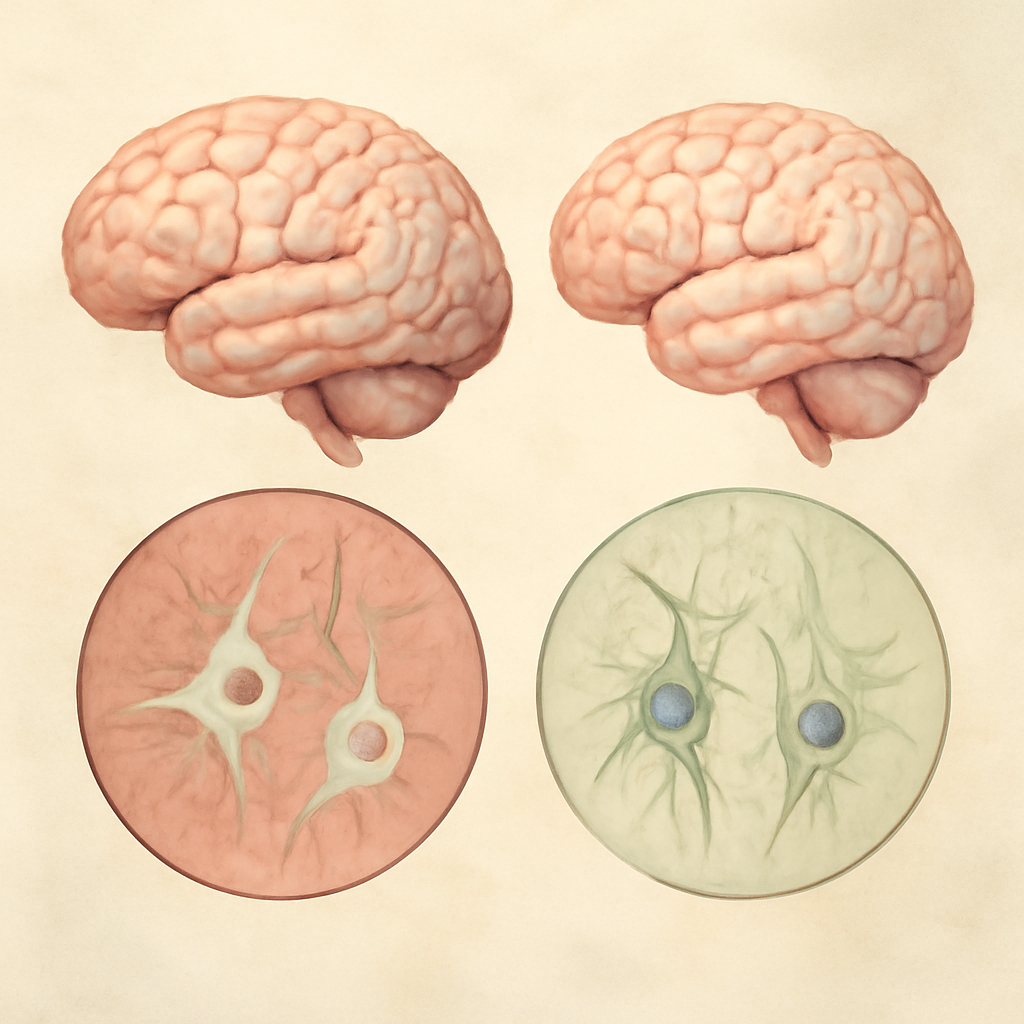





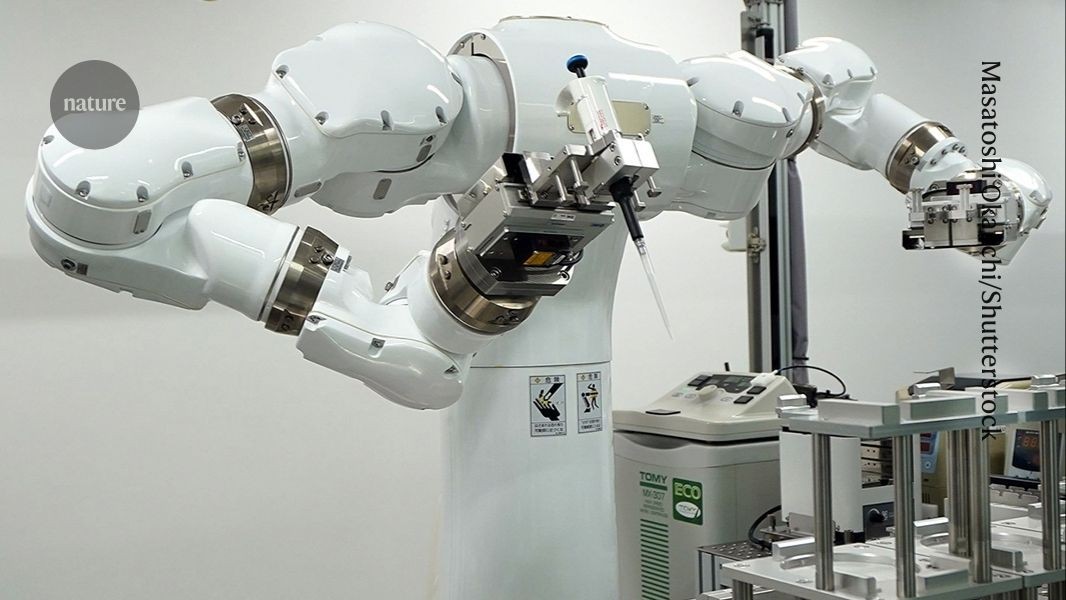
In a significant development for scientific research, ten advanced robots are now actively conducting experiments within a biology laboratory located in Tokyo. These sophisticated machines, equipped with two arms, are capable of performing a range of fundamental laboratory tasks, including handling liquids, cultivating cells on plates, and operating various scientific instruments. The pioneering automated laboratory, situated at the Robotics Innovation Center at the Institute of Science Tokyo, commenced operations in April. Plans are underway to make this facility accessible to other researchers within the institute later in the current year.
The long-term vision for this robotic laboratory is ambitious, aiming to establish a “factory-scale” facility housing thousands of robots by 2040 or 2050. This expansive future lab is intended to serve scientists on a global scale, drawing parallels to renowned international scientific hubs such as Europe’s particle-physics laboratory, CERN. Such a large-scale deployment of robotic scientists has generated considerable interest and anticipation within the scientific community. Yan Zeng, a materials scientist at Vanderbilt University, expressed excitement about the prospect of a laboratory featuring so many robots, while also voicing curiosity about the timeline for achieving this ambitious goal. Zeng further noted the potential for such a facility to benefit scientists worldwide.
The integration of automation into laboratory work, particularly within the life sciences, has been progressing for at least a decade. While some existing facilities utilize one-armed robots for handling samples, the two-armed robots deployed in the Tokyo lab represent a significant leap forward, as they are capable of executing more intricate and complex tasks. A crucial differentiating factor of the robots at the Tokyo facility is the incorporation of artificial intelligence (AI) software. This AI component empowers the robots to make autonomous decisions, moving beyond mere automation of manual processes. Andrew Cooper, a chemist at the University of Liverpool, highlighted that these AI-enabled robots possess the capacity not only to automate experimental work but also to analyze and refine experimental methodologies, thereby enhancing scientific efficiency and discovery.
The decision-making capabilities of these robots have been demonstrated through several notable experiments. For instance, an AI program utilized by Genki Kanda’s team successfully identified and tested 144 distinct experimental conditions over a period of 111 days. This intensive process was aimed at determining the optimal conditions required for culturing human stem cells. In another instance, an AI program was able to image cells being cultured in a dish, accurately predict their growth patterns over time, and subsequently identify the most opportune moment for harvesting them. Furthermore, the robots showcased their reliability and autonomy by continuously monitoring and maintaining cell cultures for eight consecutive days, even when human researchers were away on holidays. This capability underscores the potential for robots to manage routine, continuous tasks, freeing up human scientists.
A primary benefit of integrating these robotic systems into laboratory settings is the significant amount of time saved for researchers. By entrusting repetitive and labor-intensive tasks to robots, scientists are afforded the opportunity to dedicate more of their valuable time to higher-level intellectual activities. This includes focusing on the conceptual design of experiments, the critical interpretation of results, and the generation of innovative ideas and hypotheses, ultimately accelerating the pace of scientific discovery.
Despite the advanced capabilities of these robotic systems, the role of human researchers remains indispensable in the current operational model. Genki Kanda’s team, for example, is still responsible for several essential tasks. These include the preparation of reagents and other materials that the robots require for their experiments. Humans are also crucial for troubleshooting any issues that arise during experimental runs and for carrying out cleanup duties once experiments are concluded. Should a large volume of reagents or consumables be used during an extended experiment, human intervention is necessary to refill these supplies. Moreover, when equipment malfunctions or robots commit errors, human researchers must step in to rectify the problems.
However, ongoing efforts are directed towards further automating these remaining human tasks. Kanda’s team is actively working on integrating more sophisticated software into the robots, aiming to create an “AI scientist” that can autonomously make decisions when errors occur. This advanced AI would also be capable of adapting experimental protocols dynamically based on the specific laboratory setup and the availability of resources and equipment.
Despite these advancements, the realization of fully autonomous laboratories remains a distant goal, as cautioned by Andrew Cooper. The primary challenge lies in the complex process of effectively integrating AI software with physical robotic systems. This integration demands highly specialized and advanced programming skills, representing a significant hurdle. While there are promising developments, such as the proof-of-concept work demonstrating AI-enabled robots’ potential to identify and correct mistakes—for example, automatically addressing a dropped vial without human intervention—these capabilities are still in their nascent stages. The journey towards completely self-sufficient scientific research environments, free from the need for direct human oversight for routine operations, continues to be a long-term aspiration, requiring substantial further innovation and development.
01 Jun 15:20 · Robots run this laboratory in Japan — and are changing how scientists work
https://www.nature.com/articles/d41586-026-01625-2