




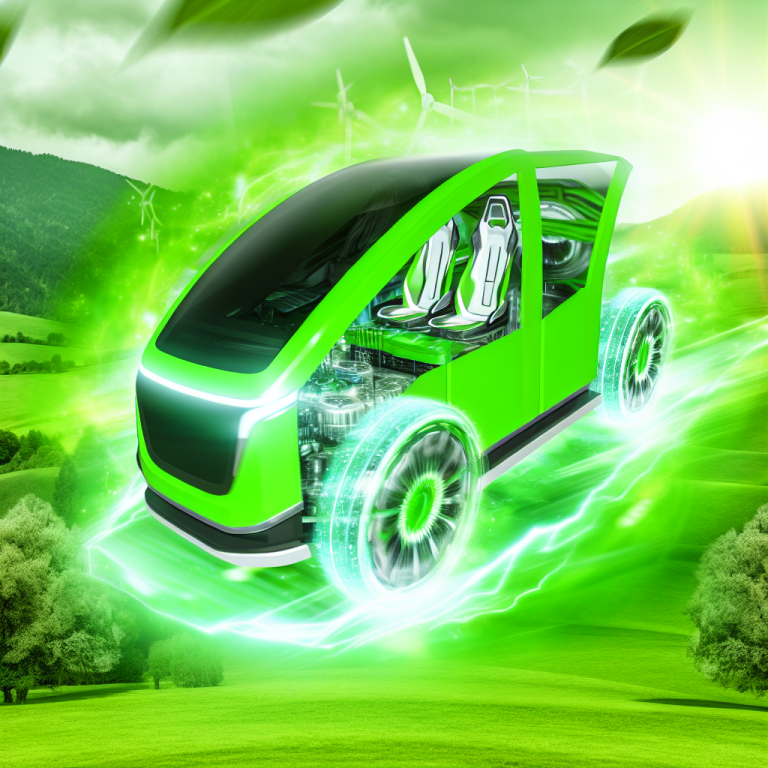
New inventions and creative adaptations are needed to to make transportation more environmentally friendly

In order to make transportation more environmentally friendly, new inventions and creative adaptations are essential in order to decarbonize the sector. According to the Intergovernmental Panel on Climate Change, around 15 percent of net anthropogenic greenhouse gas emissions come from the transportation sector. It is crucial to find ways to transport people and goods from…
Read More

Revolutionizing Fertilizer Management: Harnessing Machine Learning to Slash NH3 Emissions by 38%

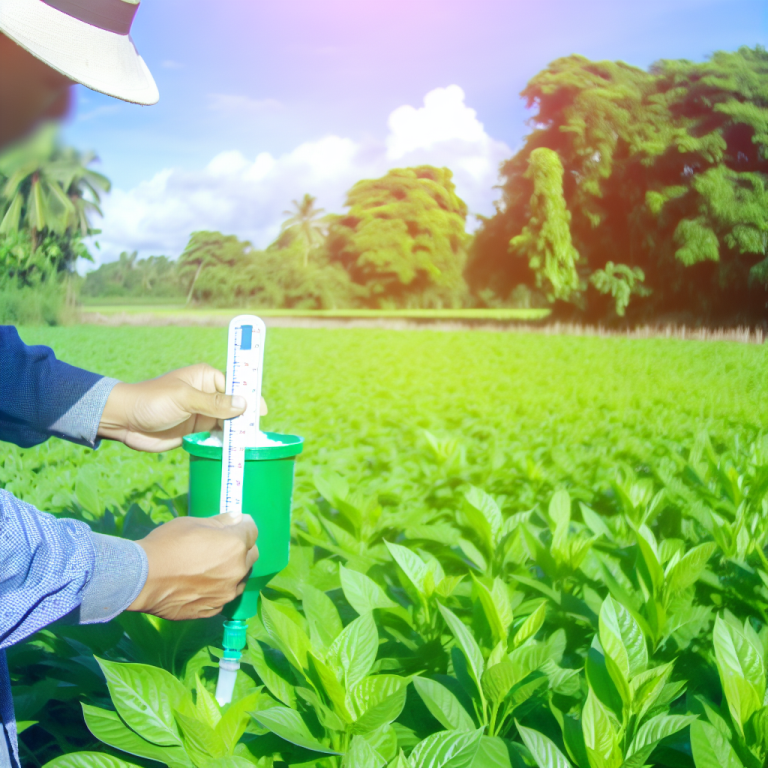
Fertilizer management plays a crucial role in reducing global ammonia emissions from crop production, which threatens air quality, human health, and ecosystems. However, accurately estimating these emissions is challenging due to limited data, hindering the ability to identify effective mitigation strategies. To address this issue, researchers have developed a machine learning model that provides crop-specific…

Read More

Groundbreaking Results: GLP-1 Drugs Combat Obesity and Type 2 Diabetes, Now Showing Promise in Reducing Opiate Addiction Cravings

A recent study conducted at a residential rehabilitation center has shown promising results regarding the use of glucagon-like peptide-1 (GLP-1) drugs in reducing cravings for opiates among individuals undergoing treatment for addiction. Neuroscientist Patricia Grigson, from Pennsylvania State University, presented the unpublished data at the annual meeting of the American Association for the Advancement of…

Read More

Revolutionizing Hand-Finger Movement Tracking: Stretchable Smart Gloves

Capturing complex hand movements and object interactions using machine learning-powered stretchable smart textile gloves In the world of technology, the ability to accurately track dexterous hand movements in real-time has vast applications in human-computer interaction, the metaverse, robotics, and tele-health. However, capturing realistic hand movements is a challenging task due to the large number of…

Read More

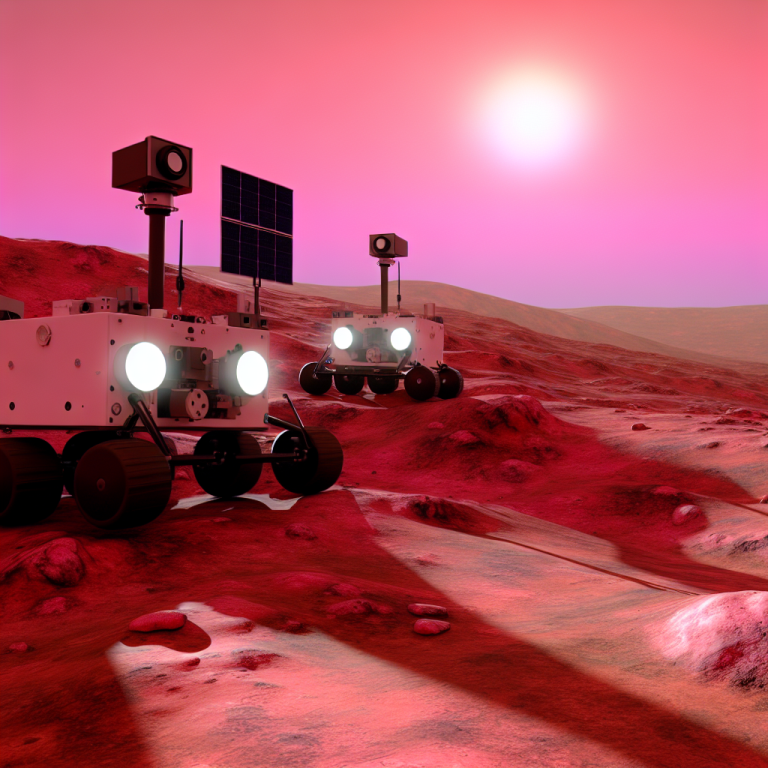
20 Years Discovering Mars: The Geological Evidence Uncovered by Spirit and Opportunity Rovers

Celebrating the 20th anniversary of the twin Mars rovers, Spirit and Opportunity, marks a significant milestone in our exploration of the Red Planet. Two decades ago, these groundbreaking rovers landed on Mars, changing our understanding of the planet and paving the way for future missions. Initially, the focus was on the Sojourner rover, which was…

Read More

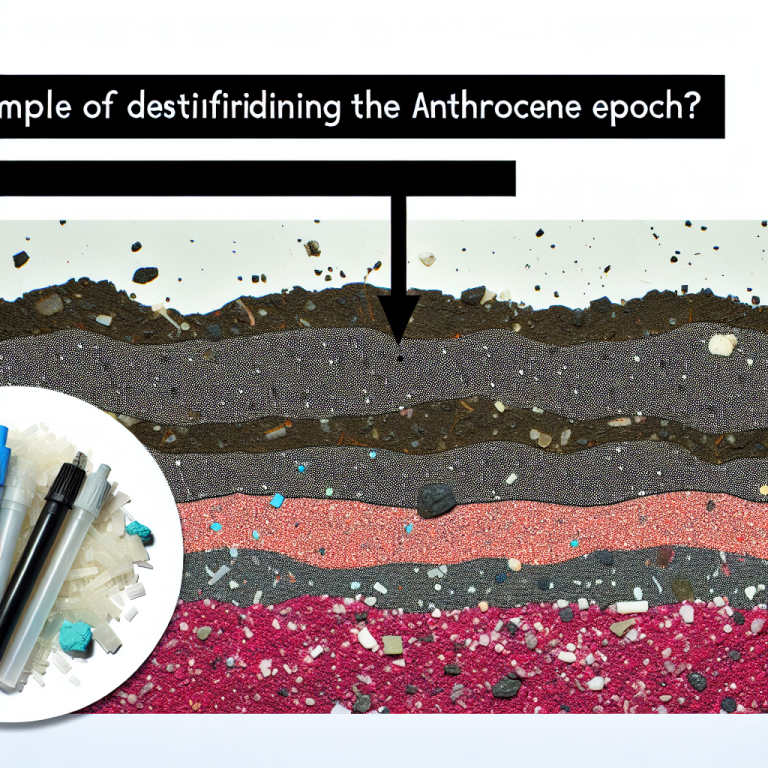
The presence of buried microplastics in sediment layers is complicating efforts to define the Anthropocene

The presence of buried microplastics in sediment layers is complicating efforts to define the Anthropocene, a new geological epoch marking the consequences of human activity on the environment. Geologists are looking at the ability of plastics to migrate into older sediment layers, muddying the waters when it comes to pinpointing the exact start of this…

Read More

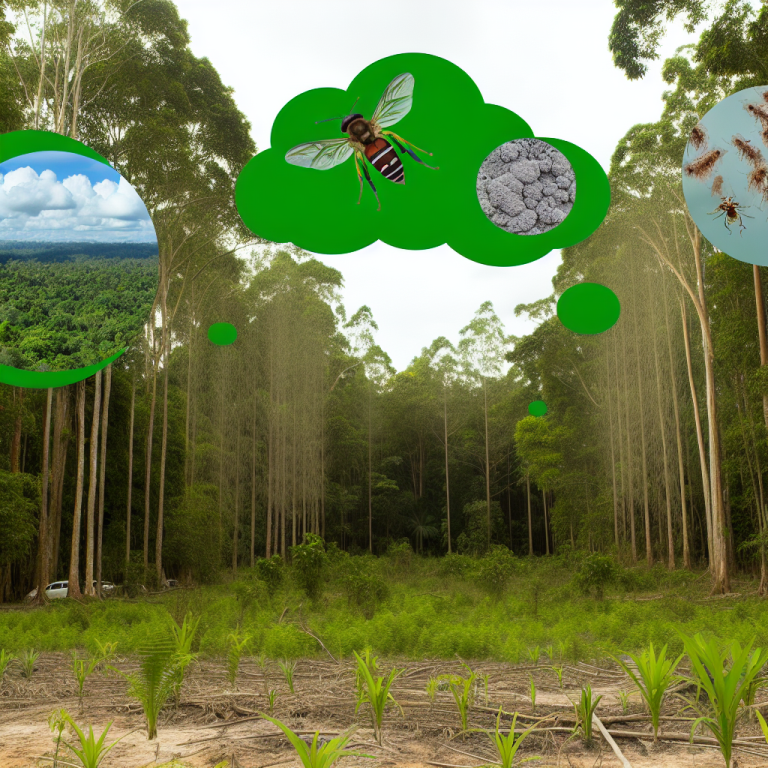
Uncovering the Invisible: Plant Mechanisms Driving Ecosystem Interactions in O3-Polluted Atmospheres

Ozone, a commonly overlooked air pollutant, has been found to have detrimental effects on plant, insect, and soil microbial communities, posing a significant threat to terrestrial ecosystems and biodiversity. In a recent review of the impact of elevated tropospheric ozone concentrations, it was highlighted how ozone affects various components of terrestrial ecosystems. One of the…

Read More

Environmental Impact of Generative AI: Insights from Researchers, Regulators, and Industry Titans

In recent years, the artificial intelligence (AI) industry has been booming, with advancements in technology leading to the development of generative AI systems that have the potential to revolutionize various sectors. However, with this progress comes a hidden cost that many in the industry have been reluctant to address – the significant environmental impact of…

Read More