






Artificial intelligence (AI) has garnered significant interest in modern society, presenting itself as a revolutionary technology with the potential to transform numerous aspects of everyday life. However, how advanced is this technology really? In his book “The AI Illusion,” Luc Julia argues that the perception of AI’s intelligence is overestimated. This article explores why it is crucial to understand the current capabilities and limitations of AI.
The Nature of the “AI Illusion”
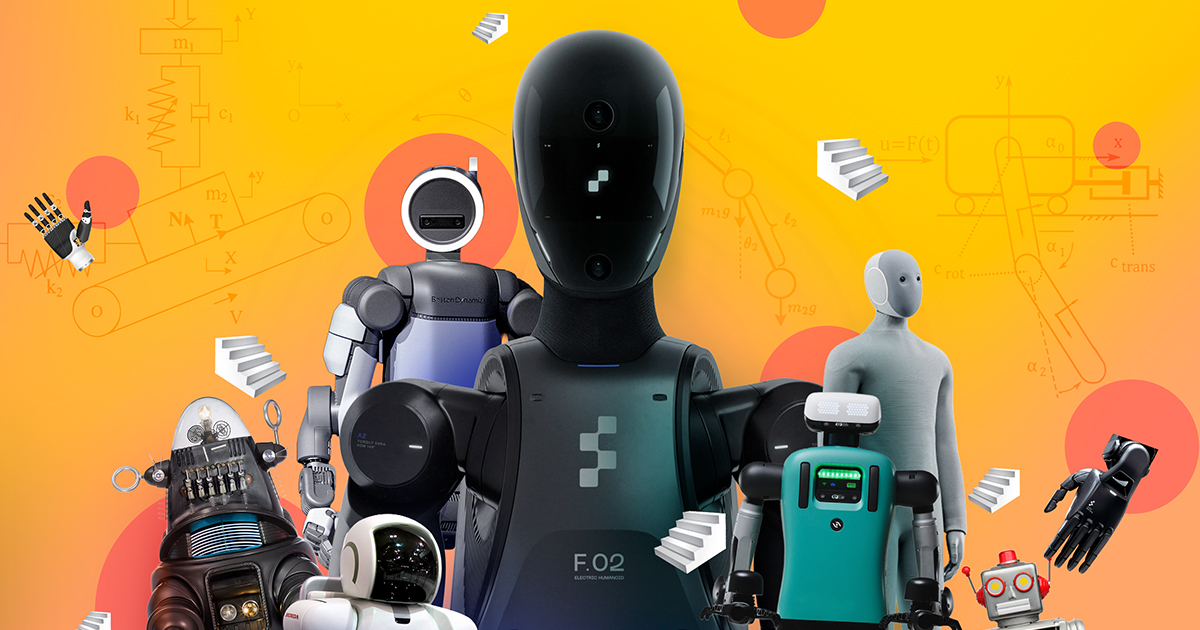
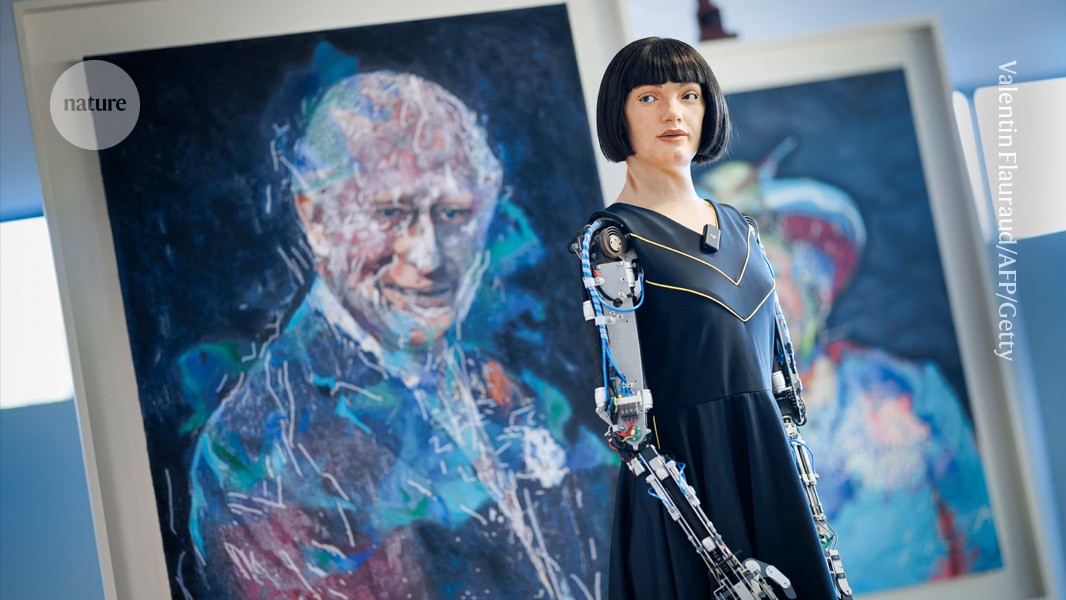
Luc Julia, an accomplished scientist in artificial intelligence, warns us about the “AI illusion,” a phenomenon where human characteristics are attributed to systems designed for specific tasks. This anthropomorphization is often fueled by science fiction and media, projecting AI as a dangerous and emotionally complex entity. However, the reality is that these systems are advanced algorithms lacking human consciousness and creativity.
Artificial Intelligence Is Not Truly Intelligent
The notion that AI possesses intelligence comparable to human intelligence is often promoted by tech companies to attract investment and dominate the market. This promotion generates a distorted public perception. It is important to emphasize that AI intelligence mainly refers to the fast and effective processing of information, without implying true cognition or creative thinking.
For example, although machines can outperform humans in specific tasks, such as pattern recognition, they lack the flexible adaptability and lateral thinking ability that characterize human intelligence. Therefore, AI remains a tool, not a complete intelligence.
Distinguishing AI and Machine Learning
To properly understand modern AI systems, it is essential to distinguish between artificial intelligence and machine learning. AI encompasses a wide range of technologies designed to simulate certain human functions, such as speech recognition or computer vision. Machine learning is a subset of AI that uses algorithms to find patterns in data.
These systems are effective in various sectors, such as healthcare, finance, and transportation. However, their effectiveness and utility fundamentally depend on the quality of the data used and the context in which they are applied. Therefore, it is crucial to implement human oversight and regulation to avoid erroneous decisions and automated bias.
AI as a Complement, Not a Replacement
Fear and fascination with AI capabilities can lead one to think that these systems are destined to replace human intelligence. Luc Julia insists that, while AI can augment our capabilities, it is not a conscious being capable of replacing essential human functions. The true strength of AI lies in its ability to complement, not supplant, human skills.
This requires prudent and well-regulated collaboration, where AI technologies enhance, rather than replace, human work. Policymakers and the public must recognize that we are far from developing a general artificial intelligence that thinks and acts like a human independently.
Conclusions and Final Considerations
In conclusion, artificial intelligence has immense potential to transform key sectors when used responsibly and ethically. However, we must maintain a clear perspective on its current capabilities and limitations. The “AI illusion” fueled by misconceptions could lead to disproportionate expectations and even misuse of these technologies.
It is essential to view AI not as a substitute, but as a valuable complement to human intelligence, expanding our capabilities without losing sight of the necessary oversight and regulation to prevent risks. Thus, we can harness its potential for the benefit of the entire society, effectively integrating these tools into our social and economic fabric.
The intelligence illusion: why AI isn’t as smart as it is made out to be
https://www.nature.com/articles/d41586-026-00882-5