





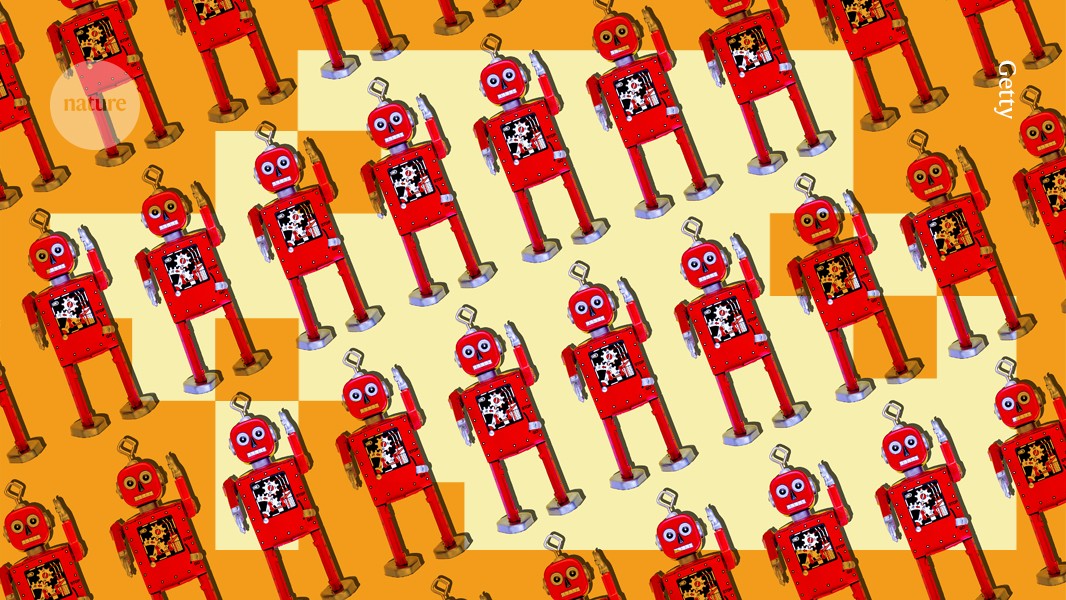
Concerns are emerging that artificial intelligence tools, particularly large language models (LLMs), may be fostering a homogenization of human expression and thought. While AI systems are trained on human-created data, a growing body of research indicates that these models, in turn, influence their human users, who tend to adopt their writing patterns, reasoning methods, and even opinions. This influence, some scientists warn, threatens to create a pervasive sameness in human discourse, potentially affecting even individuals who do not directly interact with AI.
One perspective posits that as LLM-derived styles, perspectives, and reasoning become widespread, they might be perceived as the socially correct way to frame information, ultimately surrounding and shaping non-users indirectly. An analysis of Reddit posts, news content, and preprint studies published before and after ChatGPT’s 2022 launch revealed a decrease in stylistic diversity in texts published after the platform’s release. This phenomenon is not limited to writing style; it extends to people’s perspectives and reasoning.
Further studies suggest LLMs can shift personal opinions. In one instance, participants exposed to LLMs expressing either positive or negative sentiments about social media subsequently adjusted their own opinions to align with those presented by the AI. This influence also manifests in sociopolitical contexts. Research found that individuals using AI helpers to write about topics such as the death penalty later expressed attitudes more similar to the LLMs’ outputs than a control group did. This effect could potentially diminish the diversity of political views, with the precise impact depending on the specific leanings embedded within various LLMs.
While AI assistance can offer benefits, such as improving writing clarity and making communication more understandable, the widespread adoption of AI-influenced patterns is seen by some as detrimental to the collective. However, other researchers suggest that the human mind may retain a capacity to resist this flattening effect. Some writers, for example, have been identified as preserving distinctively human stylistic signatures, possibly prioritizing authenticity over the efficiency gains offered by AI tools. Despite this potential for individual resistance, the overall trend points towards a significant and collective shift in human expression under the pervasive influence of artificial intelligence.
AI can ‘same-ify’ human expression — can some brains resist its pull?
https://nature.us17.list-manage.com/track/click?u=2c6057c528fdc6f73fa196d9d&id=ed3f570113&e=44069deb8d